View our publications
- Our Open Data Strategy
- Our final Vulnerability Strategy
- Our future plans - Business Plan 2025 to 2030 & Long-Term Delivery Strategy
- Our business plan for 2020 to 2025
- Cost change
- Our water resources management plan
- Our drought plan
- Our draft Vulnerability Strategy
- Our annual performance report
- Our delivery plan
- Our Climate Adaptation Report
- Our annual water quality report
- Company monitoring framework
- Our gender pay gap
- Customer Research Feedback
- Involving customers in our decision-making
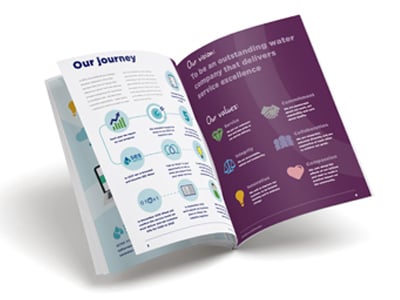
Our business plan for 2025 to 2030 and long-term delivery strategy
We are developing our plans for the future and this document shows the priorities and level of ambition we have during the next 25 years.
To view our business plan for 2025 to 2030 and our long-term delivery strategy, click on the button below.
Our business plan for 2020 to 2025
As most people cannot choose their water supplier, one of Ofwat’s duties is to set the price, investment and service package that customers receive. They do this every five years and must balance the interests of customers with ensuring that companies can pay for and deliver the services they need to.
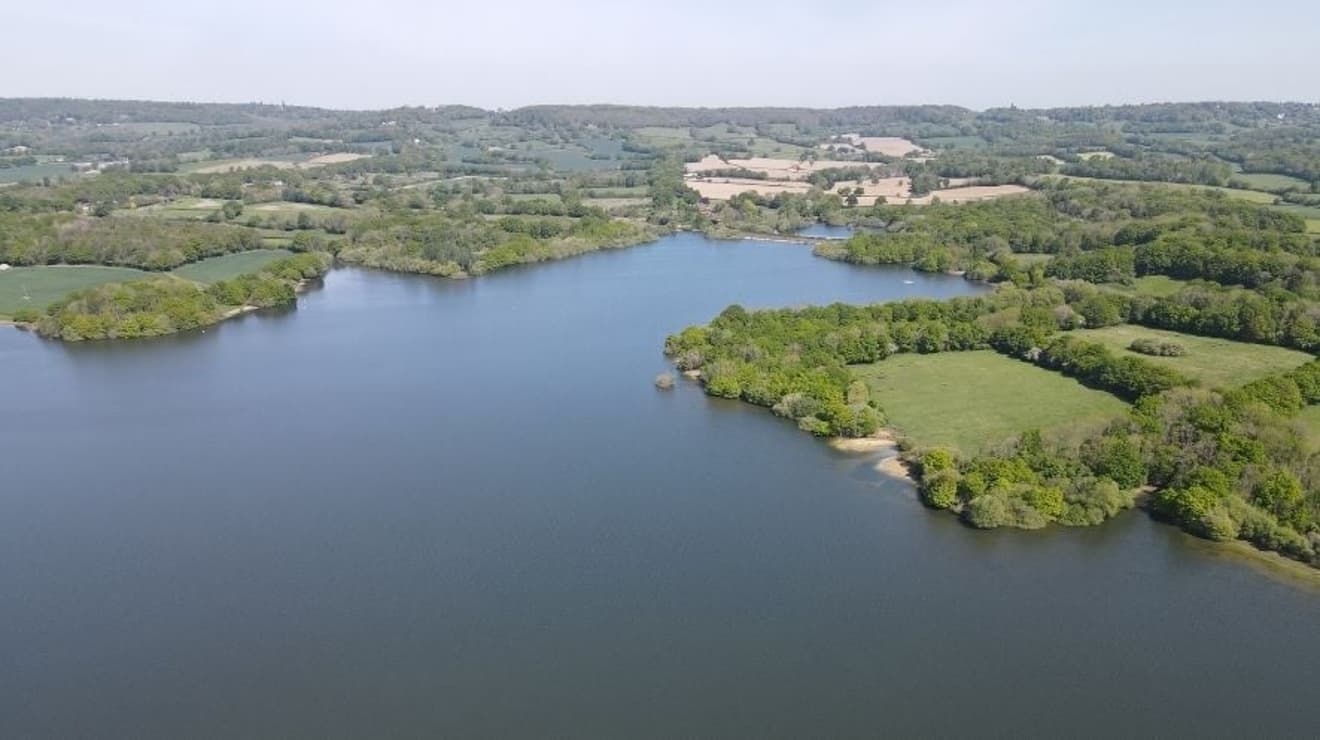
Our business plan for 2020 to 2025 sets out the commitments we have made to deliver a range of improvements over the five-year period, enhance the environment and increase the resilience of our service for the future. We will do this through five pledges.

Our drought plan
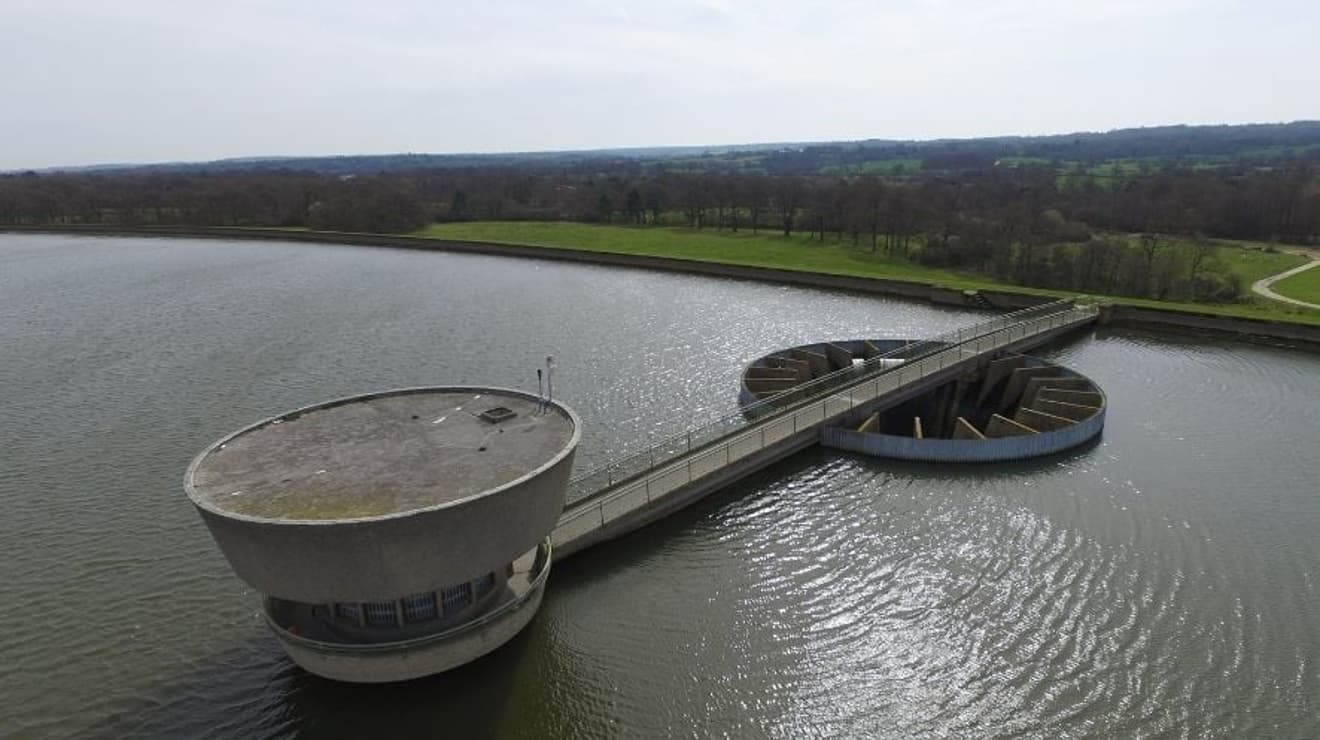
Our Revised Draft Drought Plan is now out for consultation and we welcome responses until 22 July 2022. The consultation document and appendices A, B, E and L and can be read below:
Read our Revised Draft Drought Plan 2022
Appendix A - Groundwater Drought Triggers
Appendix B - Bough Beech Drought Triggers
Appendix E - Groundwater Drought Options
Appendix L - Strategic Environmental Assessment Non-Technical Summary
Our statement of response to our previous consultation in 2021 is still available to read below.
Read our Drought Plan statement of response 2021
Our existing Drought Plan sets out how we will determine when a drought is triggered, how we will respond operationally, as well as the measures taken to mitigate the effects and monitor the impact of those actions, both during their implementation and afterwards.
Our Climate Adaptation Report
As a water company, we're acutely aware of how the weather and climate affect our business, so it's vital we plan ahead to make sure we're well prepared for any change. The Climate Change Adaptation Report is our assessment of how climate change will affect us, as a business, and the risks we need to take into account and mitigate for.
Company Monitoring Framework (CMF)
The CMF was introduced by Ofwat, the economic regulator for the water sector, in 2015. The framework describes how Ofwat will oversee that we, and other water and wastewater companies, are providing our customers and other stakeholders with information they can have confidence in.
Our Gender Pay Gap