The top tips will help get you started
In the kitchen:
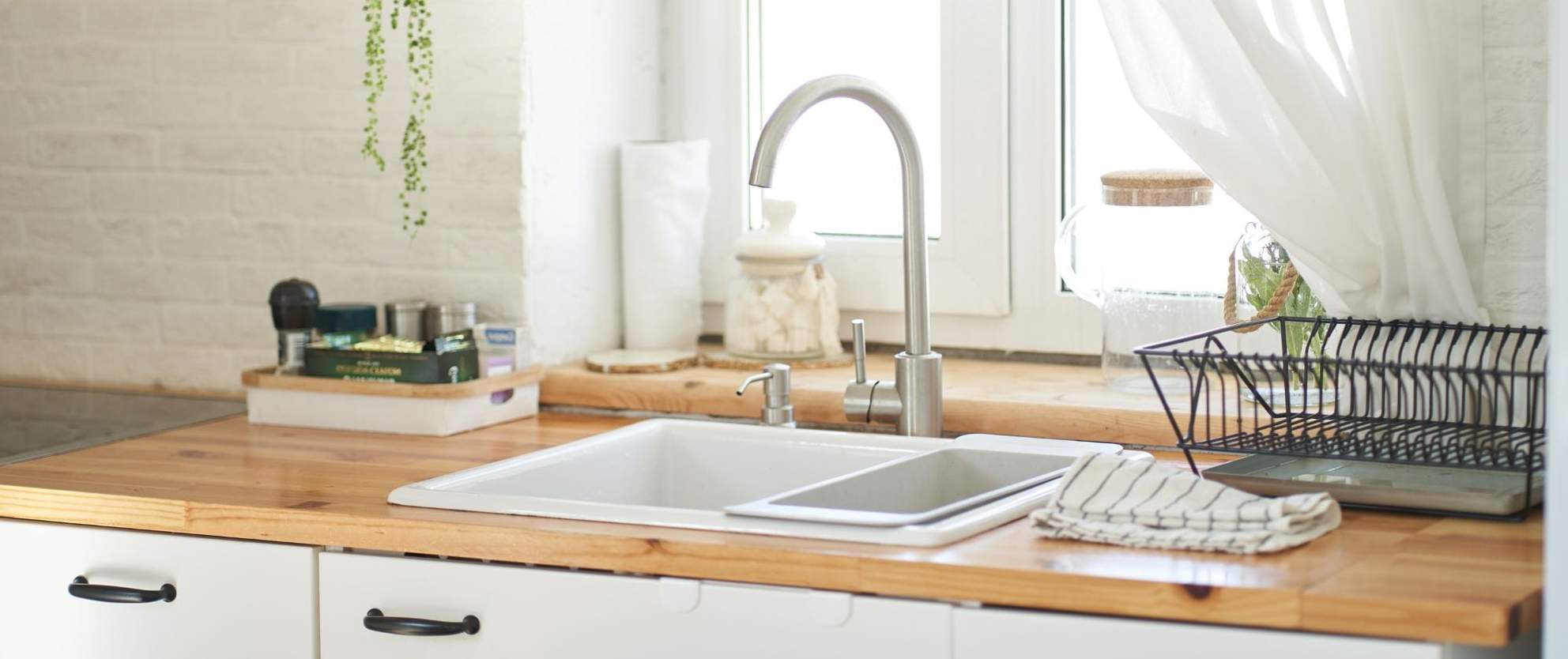
- Fix dripping taps – usually a new washer is all you’ll need
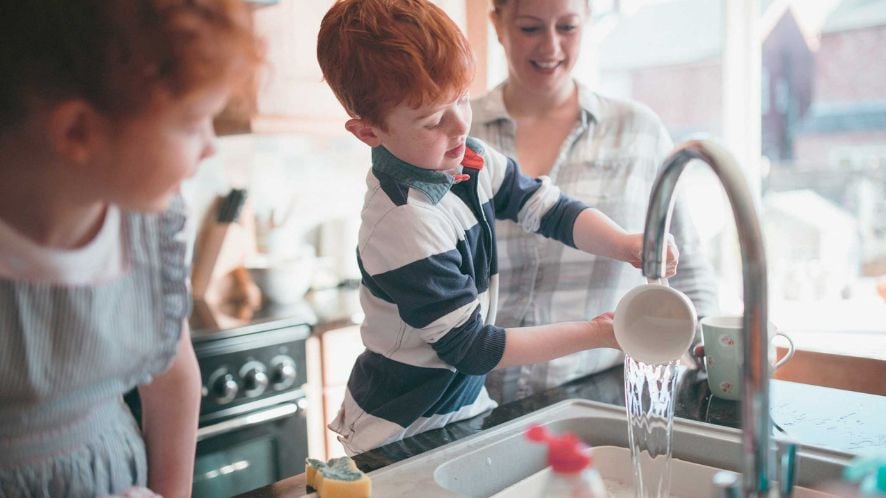
- Use a plug or bowl to wash dishes, not a running tap
- Run your washing machine and dishwasher with a full load – half load settings use more than half the energy and water
- Don’t rinse plates before washing – just scrape food waste into the bin or food bin
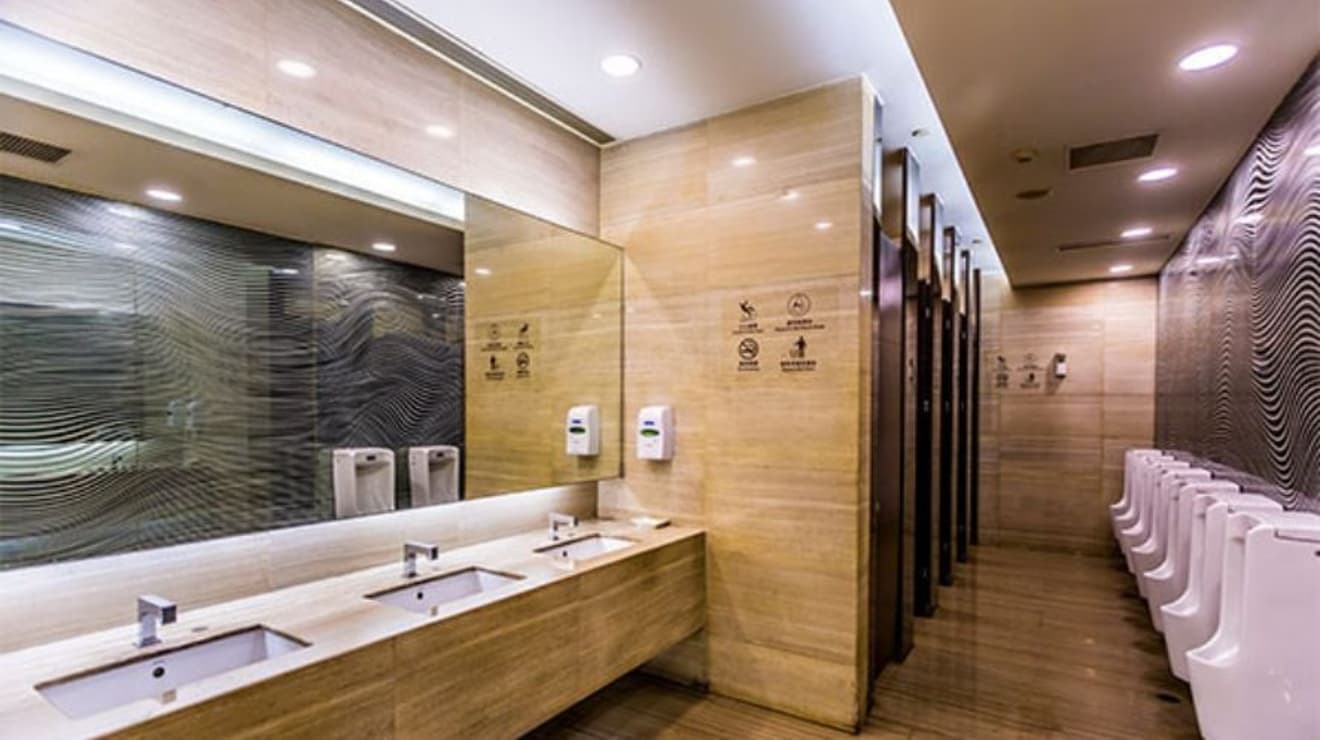
In the bathroom:
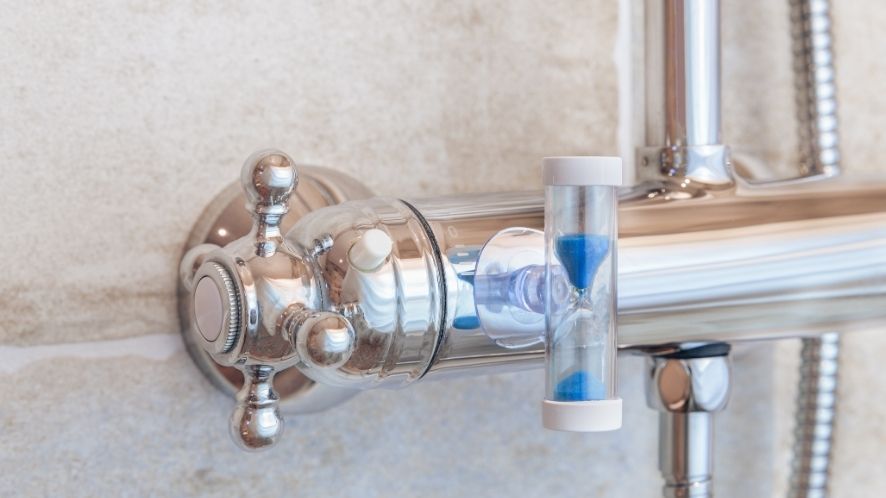
- Swap baths for showers, and try to keep your shower to four minutes or less – baths use up to 100 litres of water
- Turning the tap off when brushing your teeth or shaving - this saves around 10 litres a minute
- If you have a dual-flush toilet, use the small flush for wees
- Check your loo for leaks – these can often be fixed by replacing a valve in the cistern. A leak can waste up to 400 litres of water a day
Order FREE water-saving devices
Save water at home effortlessly with free water-saving devices. Visit GetWaterFit and fill in a few questions about your water use. You’ll see an estimate of how much water you use and how you could use less.
GetWaterFit also allows you to order water-saving devices delivered to your home, free of charge.
Devices include:
- Kitchen tap adaptors that regulate flow
- Water-efficient showerheads
- Buffaloo cistern bags for older toilets
- Leaky Loo strips to help check for leaks
- Bathroom tap inserts that aerate water so you can use less
Finding and fixing leaks
About a third of all water lost through leaks escapes from customers’ pipework but we can help with finding and fixing leaks.
Did you know:
- A leaky tap can waste around 4 litres of water per day, which is a huge 1,424 litres of water per year!
- Between 5% and 8% of toilets are leaking and each one can waste between 215 and 400 litres of clean drinking water on average every day
- Fixing leaky loos could contribute around 10% of the additional water capacity needed to cope with an extreme drought in England by 2050
Leaking loo?
Many of us have to deal with a leaking toilet at some point and it is one of those household problems that cannot be left unattended for too long. Below are eight possible causes of toilet leakages:
- Leaking supply line - when joints in the supply line become loose or wear out, they allow water to seep through
- Broken toilet tank - an accidental impact on the toilet tank may create a crack, which causes persistent leaking
- Stuck flapper - this is caused when the flush handle gets stuck. While it remains stuck the toilet tank continues to fill up
- Faulty connections - rubber linings used to ensure watertight connections can wear away over time causing leakage
- Warped flapper - this is often referred to as the 'silent leak', as the flapper wears out over time. This wear and tear can be increased by cleaning chemicals put in the toilet tank
- Faulty fill valve - accumulation of mineral deposits on the fill valve can cause it to degrade over time and it may fail completely
- Faulty float - the float is a hollow ball that floats on the water surface in the toilet tank. When cracked or not well aligned it causes the fill valve to run continuously
- Flush seal - avoid putting too many toilet cleaner tablets in your cistern. Over time the undissolved bits of the tablets can get caked around the flush seal and cause leakage
Dripping taps?
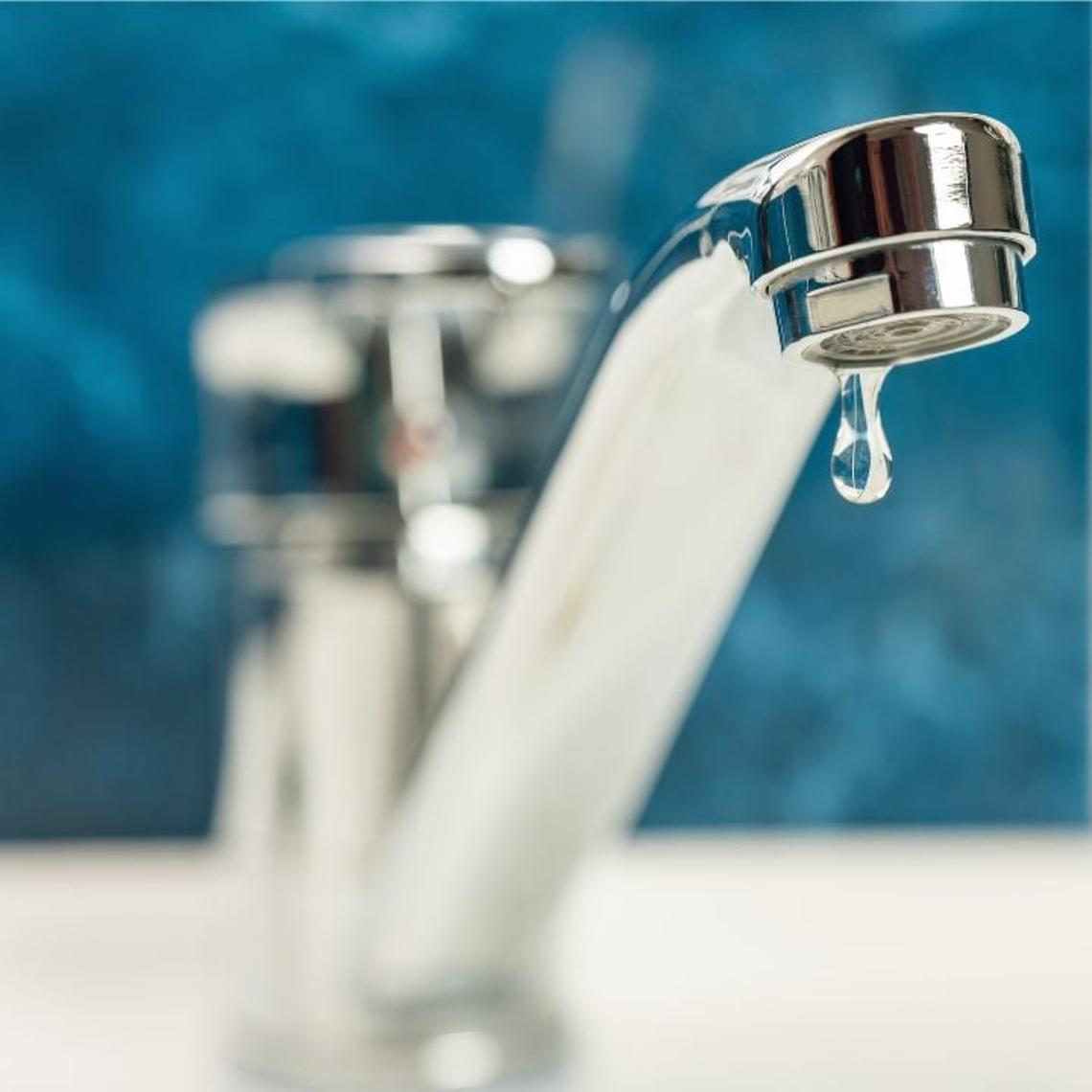
A leaking tap could be wasting up to 15 litres of water per day and adding money onto your bill. To fix them, often all that's needed is a replacement washer.
1. Try a simple DIY repair (where appropriate and safe).
2. If you're not confident carrying out repairs yourself, contact a qualified plumber.
3. Find an approved plumber.