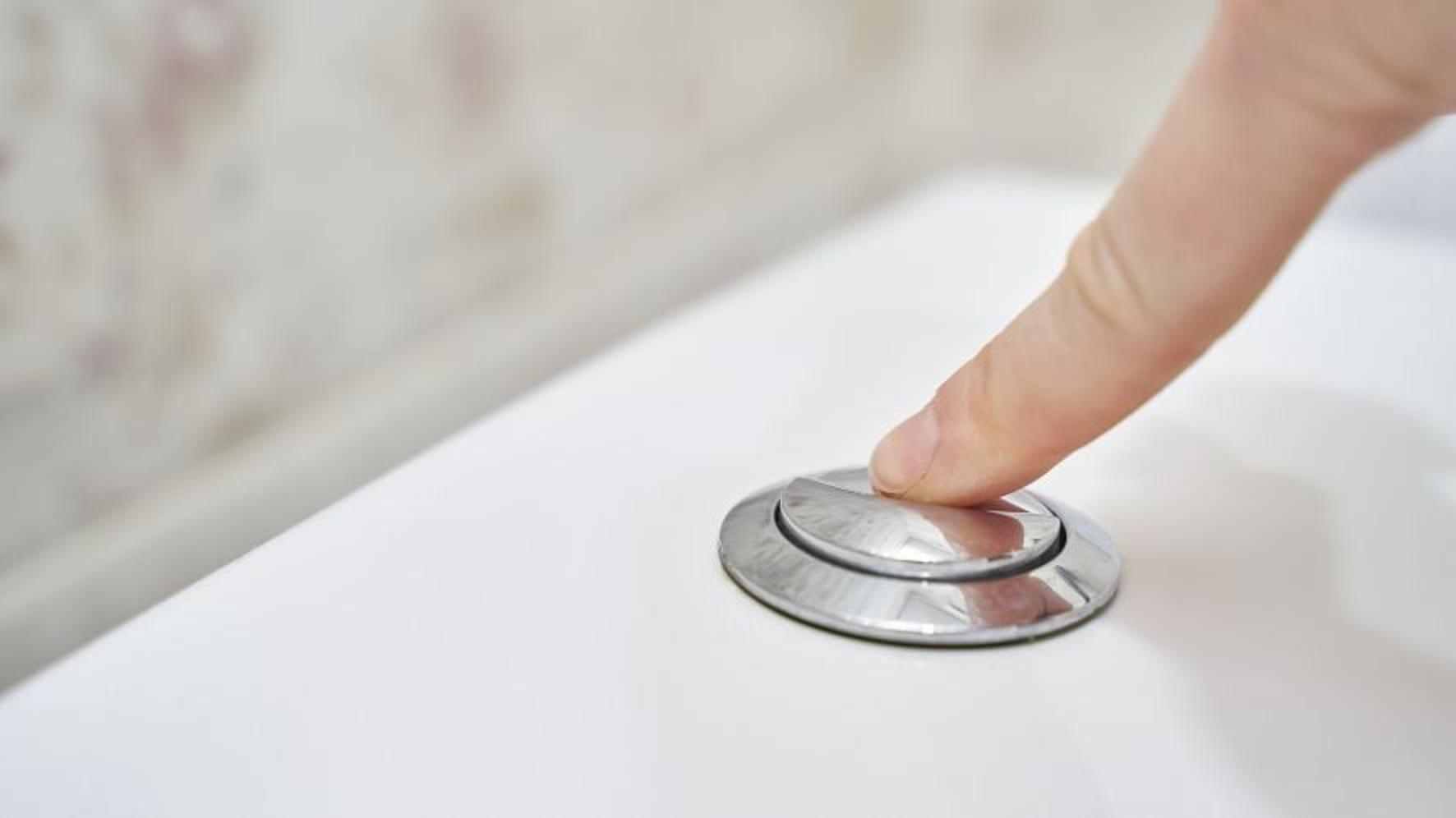
It’s quite common for loos to develop a leak against the back of the pan. Dual-flush toilets are especially bad for this. You might think it’s only a trickle and barely worth the cost and bother of getting a plumber out – how much water can it really waste anyway?
You might be surprised to know that a leaky loo can waste between 215 and 400 litres of water a day.
According to a Water UK poll, 69% of people estimate that a leaky loo wastes less than 50 litres a day, less than a quarter of the real volume.
Why we tend to underestimate our water use
The same poll found that on average, people in England and Wales think their household uses 62 litres of water a day. However, the real figure is 323 litres (this is per household, per person use is 145 litres a day).
Faulty toilet flushes are one of the key causes of wasted water in the home. People often think that bath use is their most water-intensive activity, overlooking tasks like washing a car with a pressure hose, which uses far more water. The average bath takes around 80 litres to fill while washing a car with a hose uses 400-480 litres.
A leaky loo can waste enough water every day to fill 2-3 bathtubs. If you’re taking steps to save water, it’s important to understand what has the biggest impact – skipping baths for a short daily shower is great, but don’t overlook that leaky loo.
Why is it always worth fixing a leaky loo?
If a water meter is fitted at your home, getting your leaky loo fixed is a no-brainer. A leak is likely to cost around £100 to fix (always use an approved plumber), which is probably less than the leak would add to your bills over a year. If you’re handy at DIY, you might be able to replace the valve yourself for even less.
If you don’t have a meter fitted at home, is it still worth getting your leaky loo fixed? Of course, the answer is yes! Here are a few of the reasons:
- Wasting water is bad for the environment – it means there’s less left in storage to see us through dry spells and less in the natural environment for wildlife.
- All that leaky water has gone through treatment that uses electricity, so wasting water also wastes energy.
- A leaky valve can cause your pipework to make horrible groaning noises.
- A steady leak could cause limescale build-up against your toilet pan.
How can you tell if you have a leaky loo?
Leaks are often obvious – you can see the water running down the back of the pan, or you might notice ripples in the water in the bowl.
To test for a really tiny leak, wait 30 minutes since the last flush then place some dry toilet paper against the back of the pan. Leave it there for a few hours or more without using the toilet (overnight works!) If the toilet paper is wet or torn after this time, you have a leak.
Need more info? Read our blog on how to fix a leaky loo.