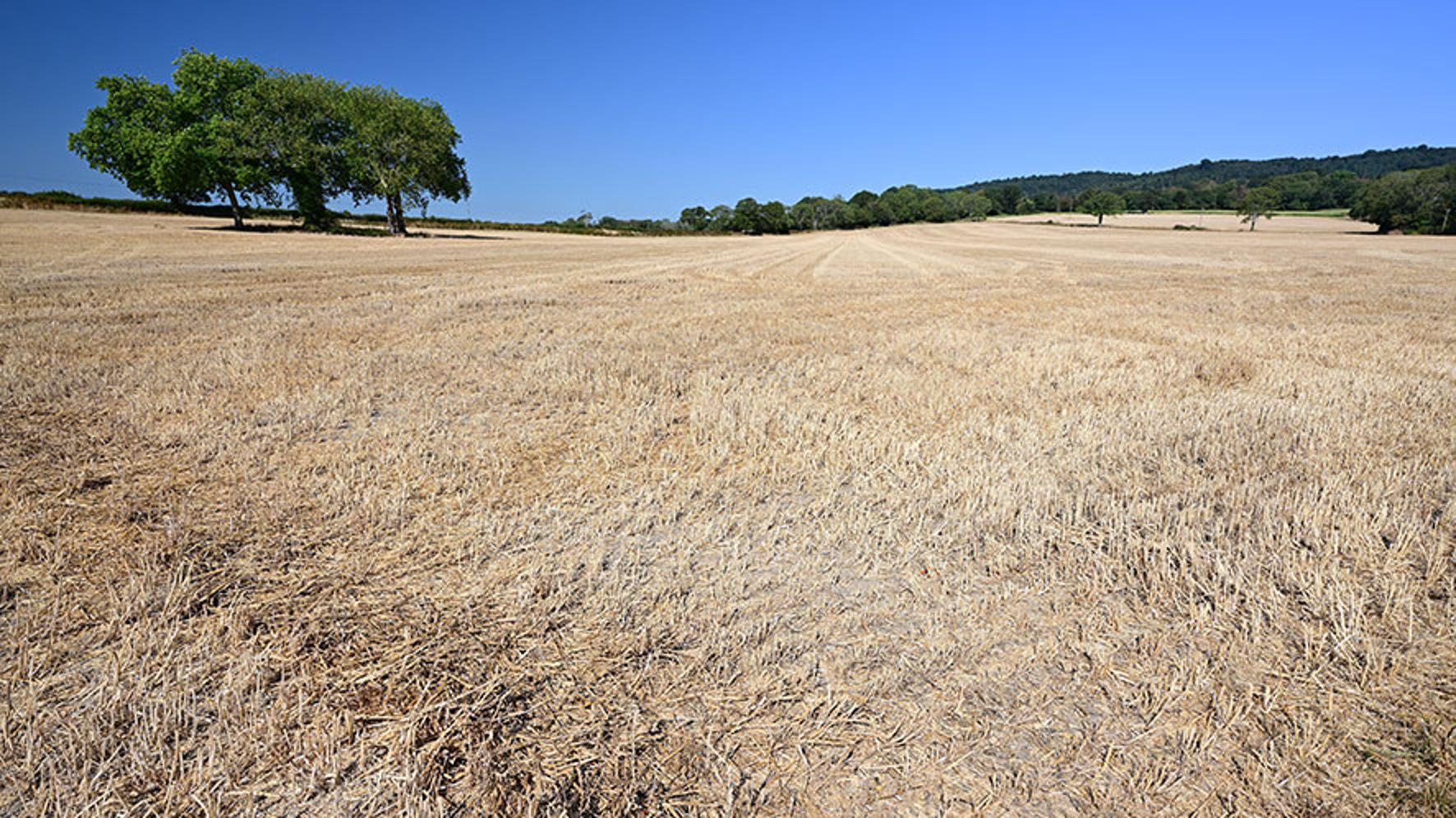
Many water companies across the UK have introduced temporary usage bans this summer (hosepipe bans) to deal with drought conditions and dwindling water reserves. We've managed to avoid introducing a ban in the SES Water area so far.
How have we avoided a ban when neighbouring regions have needed to introduce one? Operations Manager Adrian Palmer explains how we've coped with a challenging summer.
Increased demand when it’s hot
In heatwaves, people use more water. On a normal day, we supply around 160 million litres of water to customers, but in hot weather this goes up as high as 220 million litres.
The challenge isn’t just the total amount of water being used. Demand isn't all spread evenly across the day. There are significant peaks first thing in the morning and again in the evening when people come home from work and everyone is using water at roughly the same time.
Our Production and Network teams monitor the system around the clock, looking at reservoir levels, how much water is leaving treatment works, and demand across the network. We then adjust to transfer water around the system and use our reservoir resource carefully to maintain supplies and pressure.
Meeting increased demand is not as simple as treating more water at our treatment works. We must operate our sites within their treatment capability and ensure water quality is always the top priority.
So, how have we avoided a hosepipe ban?
There is no one answer to this. We started the summer with water resources in a healthy position after they were recharged by rain over the winter – this certainly helped. But there has also been a huge amount of work in the background.
Careful management of our treatment works and network, investment in resilience, finding and fixing leaks quickly and being able to move water around the system have all played their part.
There are dedicated people behind all of this. Our teams have been out fixing leaks in very challenging conditions, our operators monitor treatment works and reservoirs through the night and people continually adjust the network as demand changes.
It really has been a combined effort across the business, and I think everyone involved should be proud of what they’ve achieved.
How you can help
Even though we've avoided a hosepipe ban, that doesn’t mean we can stop thinking about water. The wider region remains in drought, and our water resources are still under pressure.
What happens over the autumn and winter will be important. We need rainfall, particularly through the winter months, to recharge the groundwater sources we rely on for much of our supply, and to increase flows in the River Eden.
Thinking about how you use water and avoiding unnecessary use makes a real difference. A small saving in one home might not seem much, but when it’s multiplied by thousands of customers, it makes a real difference.
I’ve worked in the water industry for more than 30 years and this has probably been one of the most interesting and challenging summers I’ve experienced. The weather is changing and, increasingly, all of us are going to have to think differently about how we use water.
See our water-saving tips pages for ideas.